
Discounting Under Pressure: The Amygdala’s Role In Concessions

Reps don’t discount because of price. They discount because the amygdala reads deal pressure as threat. Here’s the neuroscience of the concession reflex.
How to Measure Whether Training Changed Field Behavior

Manager impressions aren’t proof training worked. Here’s why self-reported behavior change is unreliable, and how to measure it directly.
Why Does Sales Training Stop Working After 90 Days?

Sales training doesn’t fail because reps forget it. It fails because the old habit was never out-practiced. Here’s the neuroscience of why.
The Neuroscience of Buyer Trust: Friend-or-Foe Before Facts
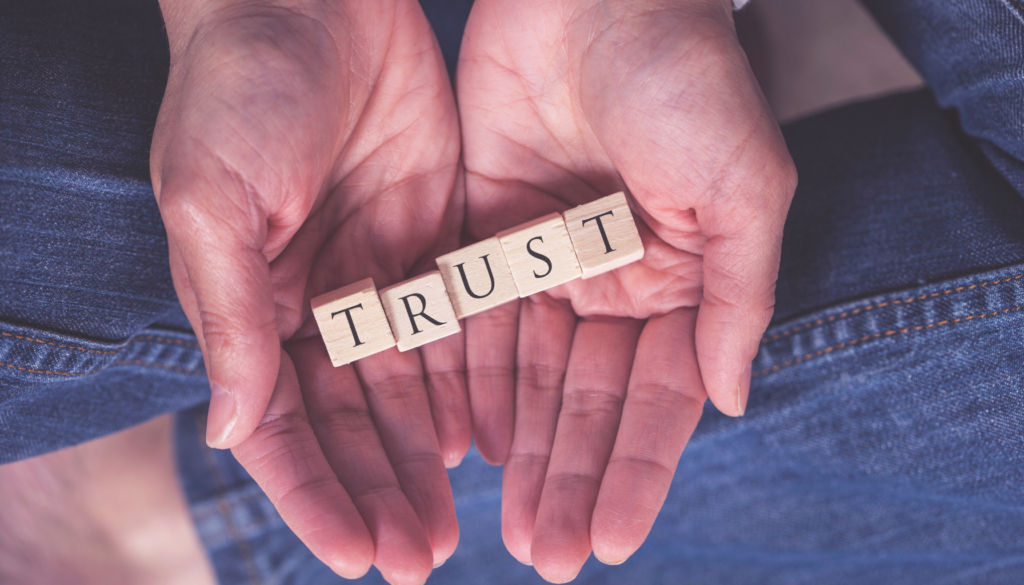
Before buyers evaluate your pitch, their brain decides if you’re a threat. Here’s the neuroscience behind trust, and how to earn it first.
What Makes Leadership Development Effective

What separates leadership development that changes behavior from training that fades: the science of how leaders actually change, and what to demand from a program.
How to Evaluate a Sales Training Company

A buyer’s framework for evaluating a sales training company: the seven criteria that predict whether the program changes behavior or fades in 90 days.
Enterprise Sales Training: A Guide for Revenue Leaders

What enterprise sales training requires that mid-market programs miss: multi-stakeholder dynamics, long cycles, and the neuroscience of group buying decisions.
Advanced Sales Training: What It Is and Who It’s For

What advanced sales training actually means, how it differs from foundational programs, and why experienced reps need a different kind of development.
How to Choose a Leadership Development Program

A buyer’s framework for choosing a leadership development program: the criteria that predict whether managers actually lead differently, or just attend.
Why B2B Buyers Ghost You in the Final Mile

Late-stage ghosting is the most expensive loss pattern in B2B, and it’s rarely about your product. We highlight the neuroscience of buyer risk and how to inoculate the final mile.
