

Have you noticed that people are back? The world is reopening, and with it comes an enormous opportunity — and an equally enormous risk. In our excitement to reconnect with customers, colleagues, and teams, we can create the very discomfort we hoped to eliminate. The question isn't whether to show up. It's how.
The Moment We're In
As I was watching the PGA Championship a few weeks ago, I was struck by the crowd swarming around Phil Mickelson as he made history by becoming the oldest player to win a major. Tournament officials let fans get uncomfortably close as Phil walked down the 18th hole. In his post-round interview, he described the moment as "unnerving." The PGA Tour later issued an apology to both Mickelson and Brooks Koepka for the chaos that unfolded.
That image stuck with me. Here was a historic moment of celebration, and it still managed to feel overwhelming for the person at the center of it. The same thing can happen in business relationships. We are at a genuinely unique moment in how we navigate social and professional exchanges, and if we aren't intentional, our desire to reconnect can become its own kind of disruption.
The Teeter-Totter Principle
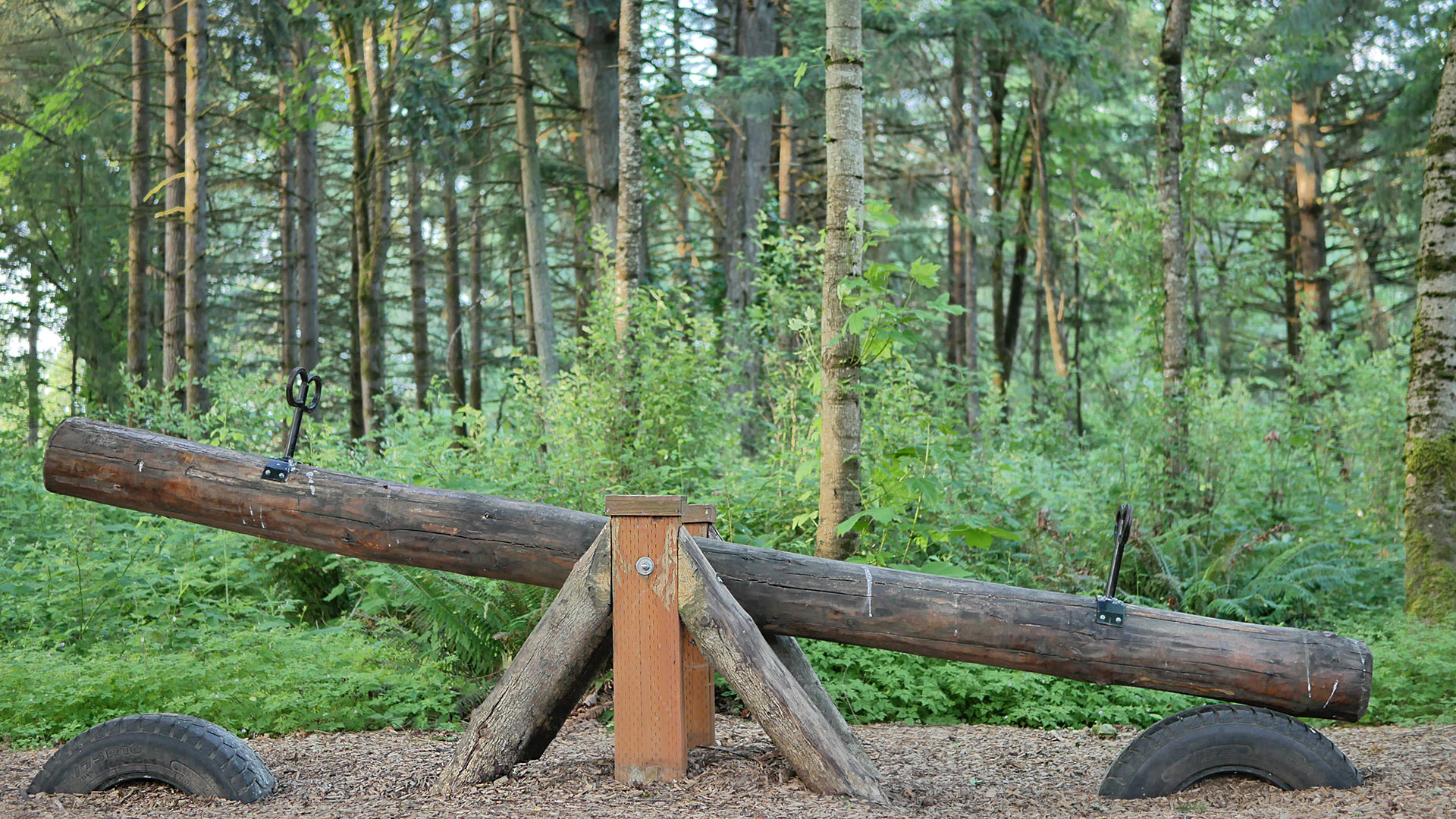
Think back to the last time you were on a teeter-totter. You can't jump on too fast — the person on the other side feels a jarring jolt. And as the article that inspired this post points out, you also can't jump off suddenly. The entire experience depends on both people staying engaged, moving in rhythm, reading each other's weight shifts.
Communication works the same way. The best exchanges — live or virtual — aren't monologues. They're balanced rides. One person adds weight, the other responds, and the whole thing flows when both parties stay present and intentional.
The challenge right now is that many of us are ready to jump back on the teeter-totter with full force, having been kept off the playground for a long time. That energy is understandable. But the person on the other side may not be ready for the jolt.
Perspective: Put the Other Person First
The first principle, and the most important, is perspective. Before you walk into a room or join a video call, ask yourself: what is this person carrying right now? What matters most to them today? What are they trying to accomplish in the second half of this year?
When we skip this step, our excitement takes over. The conversation becomes a one-way download, and we become the hero of our own story rather than a genuine partner in theirs. Emotional intelligence researcher Dr. Scott Dust has written about this tension well — that emotional intelligence isn't a soft skill, it's a leadership requirement, especially as we navigate reentry into live professional environments.
Keeping the other person's perspective first doesn't mean subordinating your goals. It means earning the right to share them.
Planning: Map the Conversation Before It Starts
The second principle is planning. Not just planning the logistics — the travel, the calendar block, the Zoom link. Plan the conversation itself. What story are you going to tell? What question are you going to lead with? What commitment are you seeking by the end of the exchange?
Most professionals are skilled at scheduling meetings. Far fewer are skilled at designing them. A planned conversation doesn't feel scripted to the other person — it feels respectful of their time. It signals that you took them seriously enough to prepare.
Purpose: Know Why You're in the Room
The third principle is purpose. If you don't have a clear purpose for a meeting, you'll fill the time with whatever is easy to talk about. Right now, that tends to mean COVID, re-entry stories, or general catch-up that produces no meaningful outcome for either party.
Test this yourself: track your next ten conversations — virtual or live — and count how many had a declared purpose at the start. How many ended with something actionable? The gap between those two numbers is the opportunity.
Purpose doesn't have to be transactional. It can be relational: "I want to understand how your priorities have shifted and how we can be most useful to you right now." That's a purpose. It centers the other person and still moves the relationship forward.
Priorities: Balance What Matters Most
The fourth principle is priorities. You cannot cover everything in a single meeting. If you try, you end up covering nothing deeply. When you link your purpose to a focused set of priorities — theirs, not just yours — the exchange becomes more productive and more memorable.
Ask yourself before every significant conversation: what are the two or three things that matter most to this person right now? Then design the meeting around those, not around your agenda.
Provocative Questions: Ask Better, Listen Deeper
The fifth principle is provocative questions. Not provocative in the sense of combative — provocative in the sense of thought-provoking. Questions that invite the other person to go deeper, to reflect, to share something they haven't been asked before.
A question like, "When you think about how you can balance your priorities in the second half of this year, how can our partnership help you accomplish your objectives?" does several things at once. It acknowledges their complexity. It positions you as a partner. And it creates the kind of silence worth sitting in — because if you ask it well, you need to actually stop and listen.
Curiosity without genuine care is just a tactic. When you combine a well-crafted question with real interest in the answer, the exchange changes entirely.
Coaches Corner: Lead the Teeter-Totter
As a leader-coach, the five principles above aren't just for customer conversations. They apply directly to every coaching moment with your team.
Your people are navigating a wide range of emotions right now. Some are energized by the return to live interaction. Others are anxious about it. Some are managing hybrid team dynamics for the first time. Others are carrying personal complexities you may never fully see. Every individual is different, and the best coaching relationships begin with that recognition.
The coaching principle for this moment is straightforward: put your people ahead of yourself. Start every coaching conversation from their perspective, not your agenda. Ask the provocative question. Make the space for them to answer honestly. And then — crucially — listen without filling the silence.
The teeter-totter only works when both people are engaged. Your job as a leader-coach is to make it safe for your team members to stay on the ride.
If you'd like to explore how NeuroCoaching frameworks can help your leadership team navigate these transitions more effectively, start a conversation with the Braintrust team.
