

It was August 15th, and I found myself surrounded by the familiar sounds of the locker room: teammates joking around, coaches telling veterans, "don't forget, there's a rookie out there who wants your position." Yes, this was the first day of football training camp. And no, it wasn't a Ted Lasso episode.
Two Weeks That Test Your Character
Training camp is those two weeks before the official start of the season when players return from summer routines and get back to basics. Each season, we had to earn our position on the team. Two practices a day. And at the end of the second practice, our head coach would put us through his favorite drill: "suicide sprints."
As the name suggests, it consisted of many short sprints, with the last being a full-out 110-yard final sprint. Here was the catch: the top two finishers (out of five) were done. The other three had the privilege of doing it again. Throughout this character-building drill, coaches would shout, "You have to embrace the suck."
What happened next was the fascinating part. By the end of training camp, and then throughout the season, I started looking forward to those suicide sprints. Because at the end of them, once I had regained a semblance of steady breathing and my stomach had settled down, a rush of pleasure and happiness would flood my entire body.
The Runner's High Has a Name
This feeling is known under many names, but the "runner's high" seems the most appropriate for my situation. Thanks to the research of people like Dr. Tony Jack, Dr. Carol Dweck, and Dr. Andrew Huberman, we now understand not only the complex cascade of neurochemistry causing this runner's high, but also its broader impact on discipline, habit formation, mental toughness, and behavior change.
We all know the power of discipline in the attainment of any goal. The problem is that most meaningful goals are hard to achieve precisely because they are beyond what we have ever done before. New thinking has to be established, new habits need to be formed, and new skills need to be learned. All of this in an environment where your brain is, at every turn, working against you.
Why the Brain Fights Every New Goal
The brain is wired for self-preservation. It does its best to protect us from real or perceived danger or pain. Based on Nobel Prize-winning research by Daniel Kahneman and Amos Tversky, we know that the brain attributes twice as much benefit to avoiding a loss as it does to achieving an equivalent reward.
When the brain encounters a new skill or a new goal, it tends to assume the worst-case scenario and resist moving toward it. This resistance is known as limbic friction: the instinctive pushback that kicks in when we try to do something unfamiliar, uncomfortable, or potentially painful. It is not a character flaw. It is neuroscience.
Understanding this matters because it reframes the struggle. When you find it hard to pick up a new habit, learn a new skill, or push through difficult work, your brain is doing exactly what evolution designed it to do. The question is how you work with that wiring rather than against it.
Dopamine and the Drive to Push Through
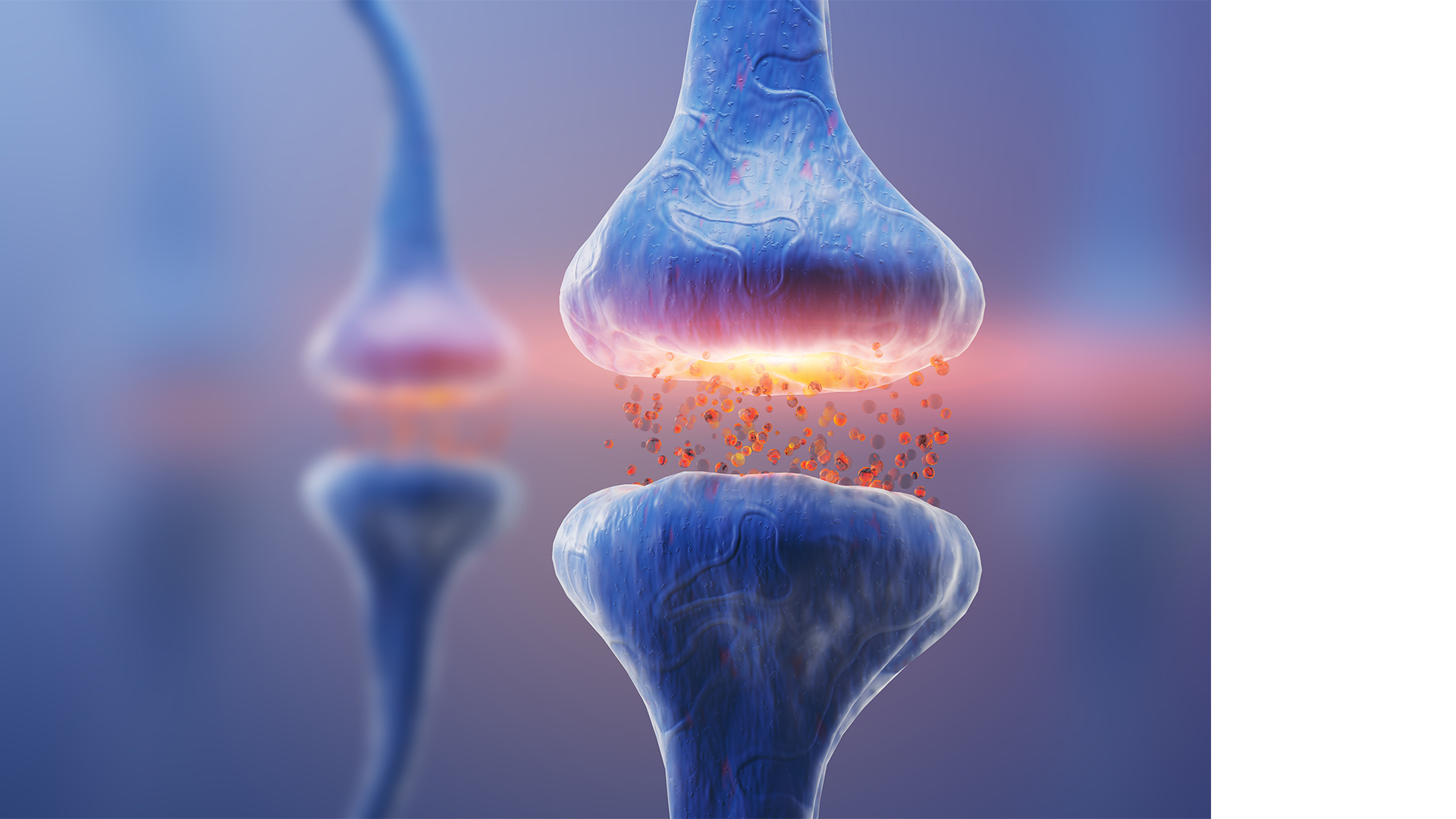
Thanks to advances in functional MRI research, we now understand the power and function that the neurotransmitter dopamine plays in helping us achieve our goals, and specifically how it can help minimize limbic friction by causing us to start enjoying the discomfort of the activity itself.
Dopamine is often mischaracterized as the "pleasure chemical" that fires when we get what we want. The more precise picture is that dopamine drives anticipation, the desire to pursue, and the satisfaction of effort. When calibrated correctly, dopamine can become the engine that pulls us through the hard work, not just the reward waiting at the end of it.
The Problem with External Rewards
Individuals who seek to trigger their dopamine through associated rewards, a trophy, status, money, or the promise of a hot fudge sundae, very often end up failing to achieve their goals. This is called extrinsic reinforcement.
The problem with extrinsic reinforcement, according to Dr. Huberman, is that it makes the activities required to achieve the goal harder and less pleasurable over time. When the external reward is what drives you, every practice session, every difficult rep, and every uncomfortable stretch becomes an obstacle between you and the thing you actually want. The work itself becomes the enemy of the goal.
Intrinsic Reinforcement and the Growth Mindset
What research has shown is that most high achievers still set big goals, but they primarily seek pleasure from the process and activities of achieving the goal, not the goal itself. The pleasure comes from the effort of studying for the test, practicing the piano, or running those sprints. This is called intrinsic reinforcement.
The pleasure comes from inside yourself, when you choose to assign positive meaning to the activity. Dr. Dweck attributes this skill as a core component of a "growth mindset": a way of approaching challenges where one focuses on what is possible and then sets out to achieve it, finding satisfaction in the stretch rather than only in the destination.
This is not passive positivity. It is an active, trained choice about what your effort means.
Embrace the Suck Until the Brain Believes You
The challenge is that you are fighting your brain's instinct not to participate willingly in activities that create pain or discomfort. Hundreds of sprints throughout a season create real, sustained discomfort. You have to keep telling the brain that the pain is good, the effort is good, and the work is good. You have to embrace the suck until the brain believes your inner voice.
Then, something shifts. You derive pleasure from the effort itself. That shift is where discipline is built, focus sharpens, mental toughness develops, and the energy to do what it actually takes to achieve the goal begins to feel sustainable rather than forced.
Ultimately, after our two-week training camp, I felt fitter, had more energy and better focus, and was playing my position more successfully. I came away with the mental toughness and discipline that gave me and all my teammates what we needed to win the league championship four months later.
In the end, I received joy and pleasure through the pain and effort of all those sprints, and yes, I also enjoyed the trophies and celebration of winning the championship. But the championship did not create the toughness. The sprints did.
I encourage you to embrace the suck. It will help you achieve almost anything you set out to be or do.
If you'd like to learn more about how neurochemistry drives human behavior, explore Braintrust's Online Academy courses, specifically the Science of Decision Making. You may never look at a difficult decision the same way again.
Worth a conversation? Reach out to the Braintrust team to explore what NeuroCoaching looks like for your organization.
