

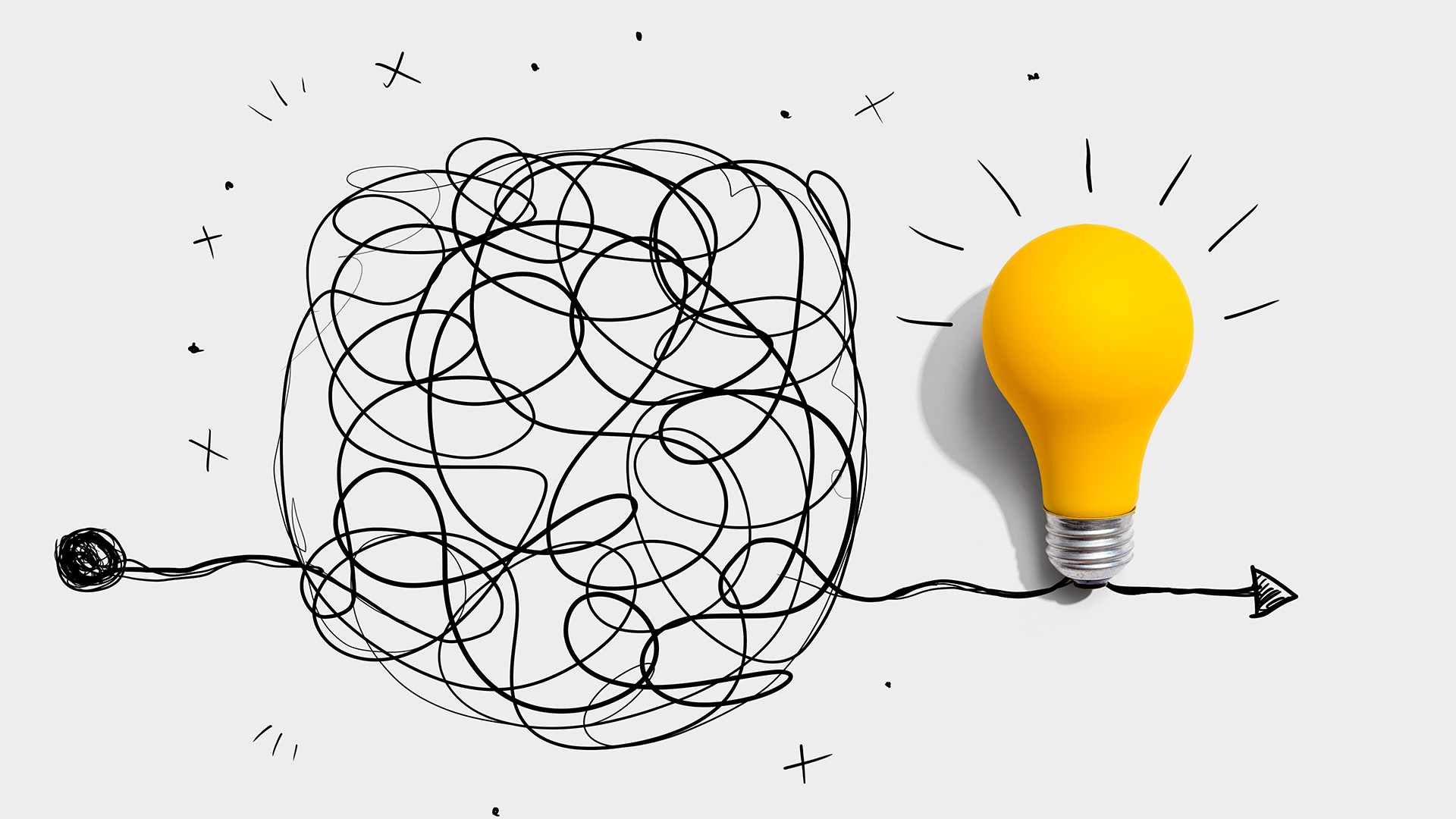
What if a few simple mental symbols could give you back control over your own thoughts? It might sound unlikely, but three concepts from behavioral neuroscience suggest that the most powerful breakthroughs in emotional intelligence often arrive through the most ordinary doorways: a white bear, a blue dolphin, and a carton of milk.
The Paradox of the White Bear
Our first stop is the chilly domain of the white bear, a concept that emerged from the landmark research of social psychologist Daniel Wegner in the 1980s. When Wegner instructed participants not to contemplate a white bear, they paradoxically found it nearly impossible to keep the image from their minds. The harder they tried to push the thought away, the more insistently it returned. This counterintuitive finding gave rise to what Wegner termed ironic process theory: the very act of suppressing a thought amplifies it.
This cognitive tug-of-war unfolds through two competing neurological processes operating simultaneously:
- Conscious Suppression: A deliberate effort to block certain thoughts from entering awareness.
- Unconscious Monitoring: An involuntary mechanism that continuously checks whether the forbidden thought has re-entered the mind.
That second process is the trap. To monitor whether you are thinking about something, your brain must keep that thing active in working memory. Suppression creates a feedback loop that magnifies the very thought you are trying to extinguish.
Picture this: you are committed to a strict diet and have sworn off chocolate. Yet the more you try to block the image of that chocolate bar from your mind, the more vividly it appears. That tantalizing chocolate is your white bear. Its persistent presence is not a failure of willpower. It is the predictable result of how the brain handles forbidden thoughts.
The question that naturally follows: what if instead of trying to suppress, we deliberately choose what to think instead?
The Calming Grace of the Blue Dolphin
Enter the blue dolphin, our second mental muse. This concept has roots in the work of Dr. Spencer Johnson, recognized widely for Who Moved My Cheese? In a companion work, Peaks and Valleys, Johnson presents the blue dolphin as the antidote to the white bear's trap. As emblems of rarity and positive energy, blue dolphins serve as intentional mental anchors that redirect attention away from intrusive thoughts and toward something vivid, meaningful, and constructive.
Dr. Jeanne Achterberg formalized this approach in the 1970s and 1980s under the framework now widely known as the Guided Imagery Technique. The mechanism is straightforward: rather than trying to suppress the white bear, you replace it with your blue dolphin. You do not fight the thought. You redirect to a chosen image with enough emotional resonance to displace it.
Think of the blue dolphin as the refreshing fruit salad you reach for when the chocolate craving strikes. Rather than white-knuckling through suppression, you redirect toward a better alternative. That shift of focus is not avoidance. It is a deliberate act of mental ownership. Control returns to you.
This is not merely feel-good advice. It reflects how the prefrontal cortex, the brain's executive center, functions most effectively: not by fighting the limbic system's impulses head-on, but by redirecting them through a more intentional and valued focal point. Replacement, not resistance, is the neurologically sound path.
The Practical Wisdom of the Milk Carton Rule
As our minds shift between white bears and blue dolphins, a third character completes the framework: the humble milk carton.
Imagine the minor but persistent frustration of discovering your morning milk left out on the counter overnight. You mention it once, twice, three times. The behavior keeps repeating. At some point, instead of continuing to fixate on what is not changing, a moment of practical clarity arrives: why not simply keep a second carton? A backup, always at the ready, eliminates the irritant entirely.
This approach, referenced in psychology texts as the Milk Carton Rule, reframes the emotional energy spent on a recurring problem into the cognitive work of designing a practical solution. Rather than repeating the frustration cycle, you build around it. The result is not just a fix. It is a behavioral model for proactive problem-solving rooted in flexibility and creativity, not rumination.
The milk carton is a metaphorical nudge: stop fixating on what is not working and focus instead on crafting a solution that does. In the architecture of emotional intelligence, that shift from reactive to proactive is the hallmark of genuine adaptability.
Stitching the Threads of Emotional Wisdom
Three symbols. Three foundational skills. Here is how they map onto the core competencies of emotional intelligence:
- The white bear represents the first step: recognizing and acknowledging your feelings and thoughts without judgment. This is Self-Awareness.
- The blue dolphin encourages an intentional shift in perspective, replacing intrusive thoughts with chosen, positive anchors. This is Self-Regulation.
- The milk carton drives home the value of pragmatic problem-solving, redirecting energy toward building better systems rather than repeating frustrations. This is Adaptability.
Together, these three practices form a portable mental toolkit. The next time you find yourself caught in a spiral of unproductive thinking, reach for the symbols. Recognize the white bear for what it is. Invoke your blue dolphin. Then ask yourself: where is the second milk carton?
Emotional intelligence is not a fixed trait. It is a set of practiced habits, and habits are built through consistent, intentional behavior over time. The science is clear that these capacities are learnable at any stage of a career. What separates those who develop them from those who do not is often as simple as having a framework to work from and the awareness to apply it.
If you want to explore how Braintrust's NeuroCoaching methodology builds these habits at scale across leadership and coaching teams, start a conversation with us.
