

Curiosity is the most underused skill in leadership. It costs nothing, requires no training budget, and produces results that most coaching programs can only promise. And yet, most leaders walk into conversations focused on what they want to say rather than what they genuinely want to learn.
Ted Lasso Taught Me Something
Like most Americans, I was introduced to binge-watching over the past eighteen months. My family went back and watched classics like Harry Potter, caught the release of Hamilton, and discovered series like Comedians in Cars Getting Coffee. Then a participant in one of my virtual training sessions made me a deal: she would complete her post-session assignment if I agreed to watch Ted Lasso.
I had no idea what I was agreeing to. That evening, we found the series and I understood immediately why she recommended it.
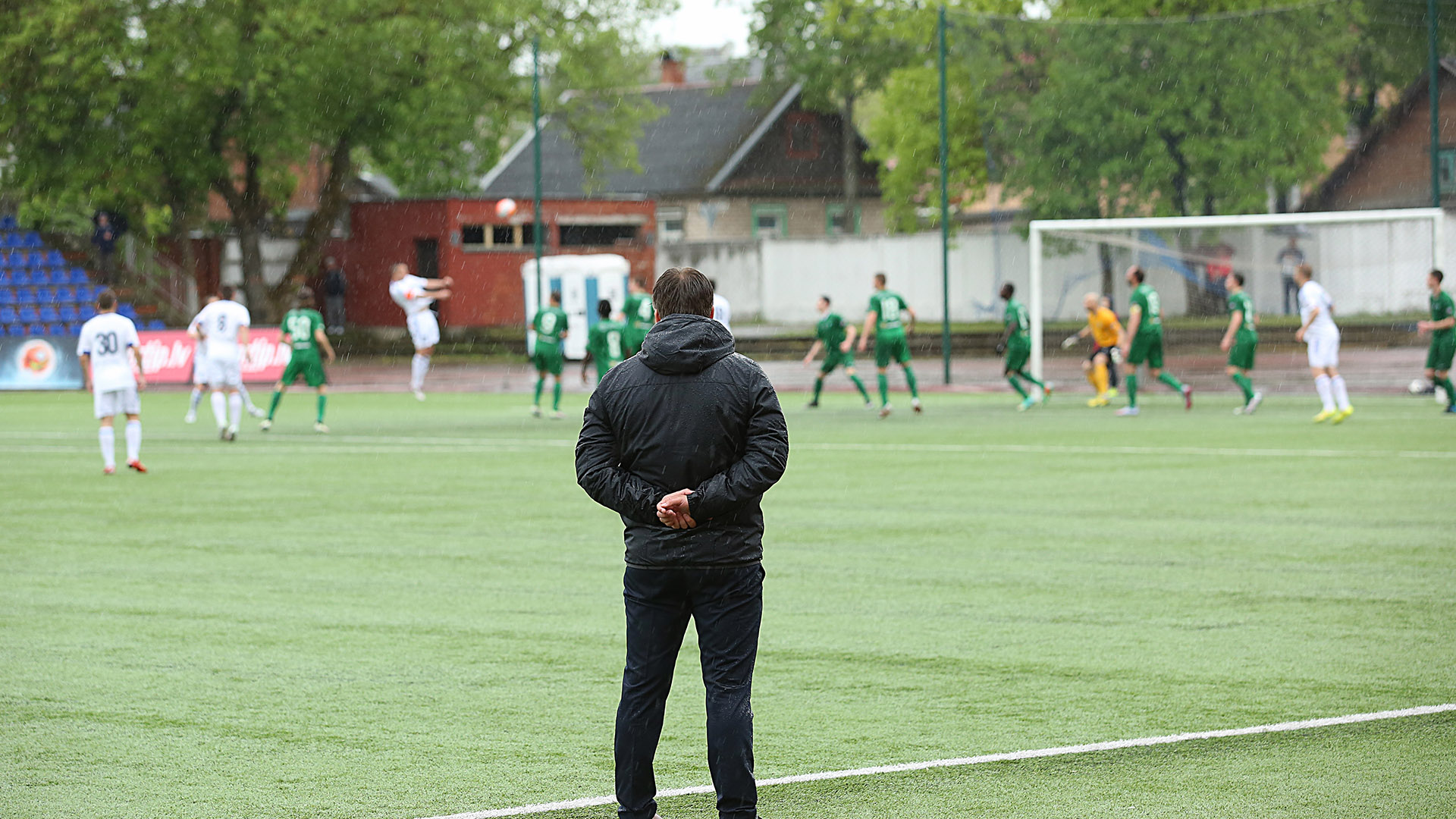
Ted Lasso (played by Jason Sudeikis) is an American football coach hired to lead an English Premier League soccer team, AFC Richmond, by club owner Rebecca Welton. Rebecca's motive was cynical: hire an inexperienced coach who would fail spectacularly, ruin the season, and destroy the franchise. What she didn't account for was that she'd hired someone with genuine warmth, service-orientation, optimism, and an unshakeable belief in the people around him. Ted may become to coaching what Tommy Boy became to sales: the character who shows you what the job really is.
Be Curious, Not Judgmental
A friend sent me a clip from the series where Ted references a Walt Whitman quote: "be curious, not judgmental." In the scene, Ted reflects on the people who underestimated him throughout his life. His observation is precise: if they had been curious instead of judgmental, they would have asked more questions. And if they had asked more questions, they would have learned something.
That reframe matters. Judgment closes a conversation. Curiosity opens it. When you decide you already know what someone is capable of, or what they mean, or where they're headed, you stop learning about them. You stop seeing what's actually there. Curiosity is what makes the difference between a conversation that moves someone and a conversation that merely fills time.
The Power of Curiosity in Real Life
On my first plane ride in a long time, I found myself thinking about this. I was headed to a wedding, about to be around the largest group of people I'd been near since March of 2020. I started preparing for it mentally the way a coach might prepare for a match: what kind of conversations do I want to have? What mindset do I want to bring?
The answer, when I was honest with myself, was curiosity. Whether the conversations ahead were professional or personal, customer-focused or just new relationships, the ones that would leave both people feeling something were the ones where I entered genuinely wanting to know more about the person in front of me.
As we all continue moving back into the world, I want you to think about how you approach the conversations ahead of you, whether those are coaching conversations with direct reports, discovery calls with clients, or first conversations with people you've never met.
Five Conversation Pointers: Simple, but Not Easy
Here are five practices that will change how you show up in any conversation. They're simple to understand and genuinely difficult to sustain, which is exactly why most people don't do them consistently.
- Be curious. Focus on the person in front of you more than on yourself. Your agenda, your point, your response can wait. Your job in this moment is to learn about them.
- Ask thoughtful questions. Not questions that confirm what you already think, but questions that generate genuinely new information. "What's been most challenging about this for you?" lands differently than "Is everything okay?"
- Listen to understand, not just to hear. There's a difference between waiting for your turn to talk and actually receiving what someone is telling you. Find the meaning behind the words, not just the words themselves.
- Bring a serving mindset. People feel the difference between someone who wants to help them and someone who wants to be seen helping. When you genuinely care, they know it, and the conversation changes.
- Stay hopeful. People are drawn to leaders who believe in a better tomorrow. Hope isn't naive. It's one of the most powerful signals you can send in a conversation: I believe things can get better, and I believe you're part of how they do.
You Are Not Alone
One more thing about Ted Lasso: he doesn't carry any of it by himself. Right beside him, through every win and every failure, is Coach Beard. Coach Beard never leaves. He doesn't need the spotlight. He simply shows up, every time.
A great team, and a great coaching relationship, takes more than one person who believes. It takes someone willing to stay. Think about who plays that role for the people you lead, and whether you're playing it for someone who needs it.
If you're working to build a culture where curiosity and authentic conversation are part of how your leaders operate every day, we'd be glad to talk about what that looks like at scale. Worth a conversation?
