

Sales professionals often think of customer loyalty as the result of great products, competitive pricing, and reliable service. And while all of that matters, neuroscience suggests that the real engine of customer loyalty lives somewhere far less obvious: in the chemistry of the human brain.
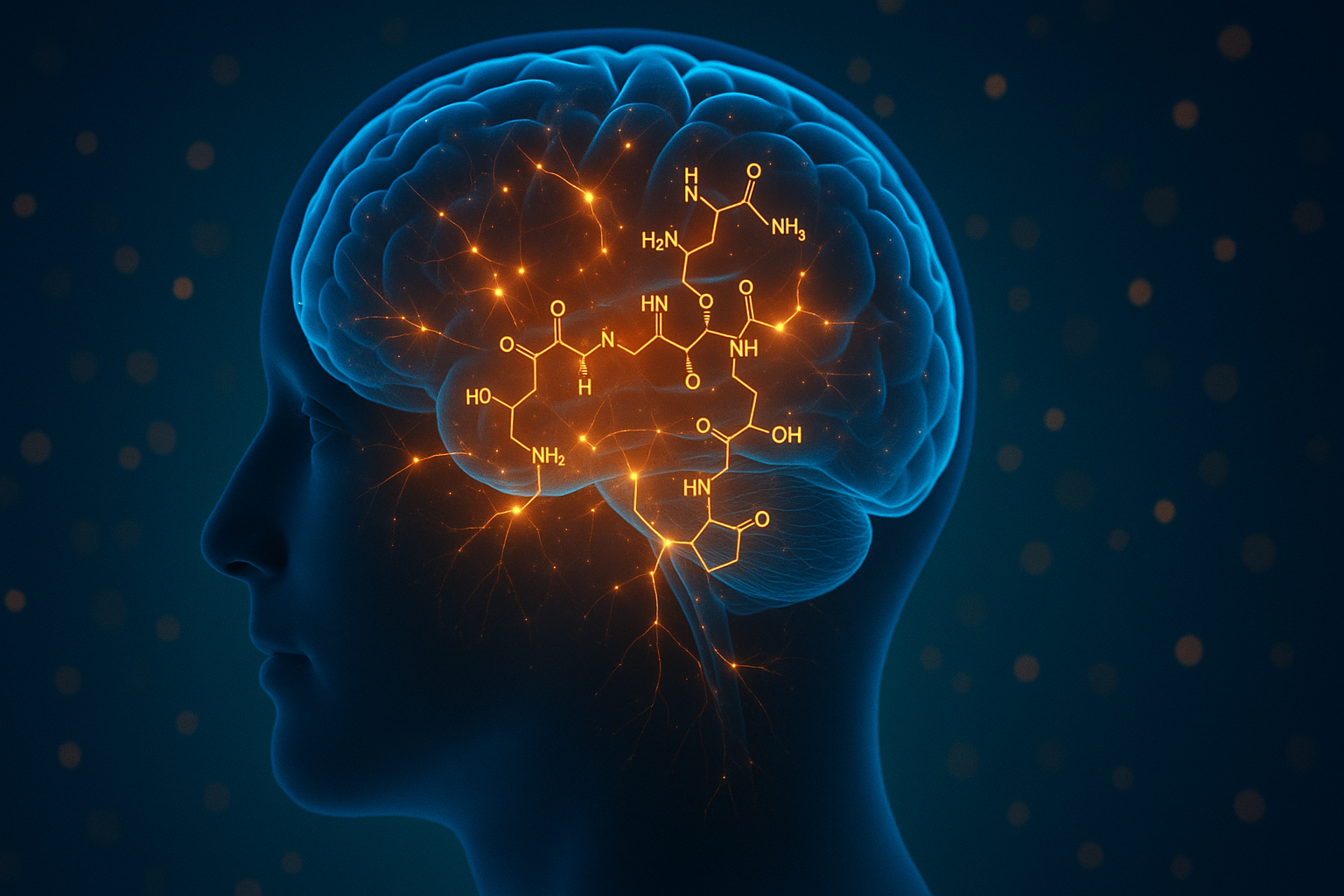
At the center of it is a powerful neurochemical called oxytocin, often referred to as the trust hormone. Oxytocin plays a critical role in how human beings form social bonds, build trust, and maintain long-term relationships, including business relationships.
When a customer trusts you, their brain releases oxytocin. This changes how they perceive risk, how they make decisions, and how loyal they feel, not just to you, but to your company, your brand, and your solution.
In other words, loyalty isn't just logical. It's biological.
The Neuroscience of Trust: What Is Oxytocin?
Oxytocin is a neurotransmitter and hormone produced in the brain's hypothalamus and released into both the brain and bloodstream. It plays a key role in social bonding, emotional connection, and trust formation.
Originally studied in the context of parent-child bonding and romantic relationships, oxytocin has since been shown to influence a wide range of social interactions, including business relationships, negotiations, and customer interactions.
When oxytocin is released, the brain experiences increased feelings of connection, safety, and empathy. It reduces the perception of threat, lowers stress responses, and increases the willingness to cooperate and collaborate.
This is critical in sales because the buyer's brain is always scanning for two things:
- Can I trust you?
- Does this feel safe?
When trust is present, the brain literally changes how it processes information. Buyers become more open to new ideas, more collaborative in problem-solving, and far more likely to stay loyal over time.
How Customer Loyalty Is Rooted in Brain Chemistry
Contrary to popular belief, customer loyalty isn't just a rational calculation of value, price, and service levels. While those factors matter, they sit atop a deeper emotional foundation: the sense of trust and connection a customer feels with you and your brand.
When salespeople foster trust through authentic, value-driven conversations, the customer's brain releases oxytocin. This has measurable effects:
- Lowers perceived risk of the purchase decision
- Increases openness to collaboration
- Enhances positive memory recall of the experience
- Strengthens long-term brand loyalty, even when competitors offer tempting alternatives
What Kills Oxytocin and Customer Loyalty
Oxytocin is fragile. It's easily disrupted when the brain detects anything that signals danger, deceit, or manipulation. In sales, behaviors that trigger the opposite of trust (what psychologists call amygdala hijack) cause oxytocin production to stop and cortisol, the stress hormone, to spike.
Common sales behaviors that damage trust include:
- Overpromising or exaggerating benefits
- Pushing instead of listening
- Dodging difficult questions or concerns
- Focusing only on the transaction, not the relationship
- Failing to follow through on commitments
When the brain senses these cues, the psychological gate slams shut. The customer moves into protection mode, becoming skeptical, guarded, or disengaged. Loyalty erodes quickly, even if the product is good.
How to Build Oxytocin in Sales Conversations
Building trust isn't about grand gestures. It's about consistently creating micro-moments of psychological safety and connection.
Start with presence. The fastest way to foster trust is to be fully present. Customers notice when you're distracted, transactional, or rushing. Presence signals safety and respect, which directly impacts oxytocin production.
Listen before you pitch. Active listening demonstrates that the conversation is about them, not about pushing your agenda. Ask questions that show genuine curiosity about their challenges, goals, and decision-making process.
Share transparently. Transparency about pricing, potential limitations, and trade-offs builds credibility. Paradoxically, naming what your product or service doesn't do often increases trust more than overselling what it does.
Use empathy-based language. Simple statements like "That makes sense," "I can see why that's frustrating," or "Let's solve this together" activate the social bonding circuits in the brain.
Follow through without exception. Nothing strengthens or weakens oxytocin like follow-through. When you do what you say you'll do, every time, the buyer's brain encodes you as a safe, reliable partner.
The Long-Term ROI of Trust Chemistry
Organizations with high-trust sales cultures don't just close more deals. They create long-term customer relationships that are resilient to market shifts, competitive threats, and price pressures.
When oxytocin is high in customer relationships:
- Customers are more likely to renew, expand, and refer.
- Minor service failures are forgiven more easily.
- Competitive offers face a higher barrier because the emotional bond is harder to disrupt.
- Sales cycles shorten because the decision feels safer.
The data backs this up. Multiple studies show that customer trust is directly correlated with retention rates, referral rates, and share-of-wallet growth.
Trust Is Not Soft. It Is Science.
In a world where products can be copied, pricing can be undercut, and features can be commoditized, trust is the ultimate differentiator.
The most successful sales professionals aren't just solution experts. They are trust architects, deliberately shaping conversations and relationships that trigger the neurochemistry of loyalty.
When you understand the role oxytocin plays in human decision-making, you stop selling to the transaction and start selling to the relationship. That's where customer loyalty truly lives.
Worth a conversation about what trust-based selling looks like inside your pipeline? Connect with the Braintrust team here.
