

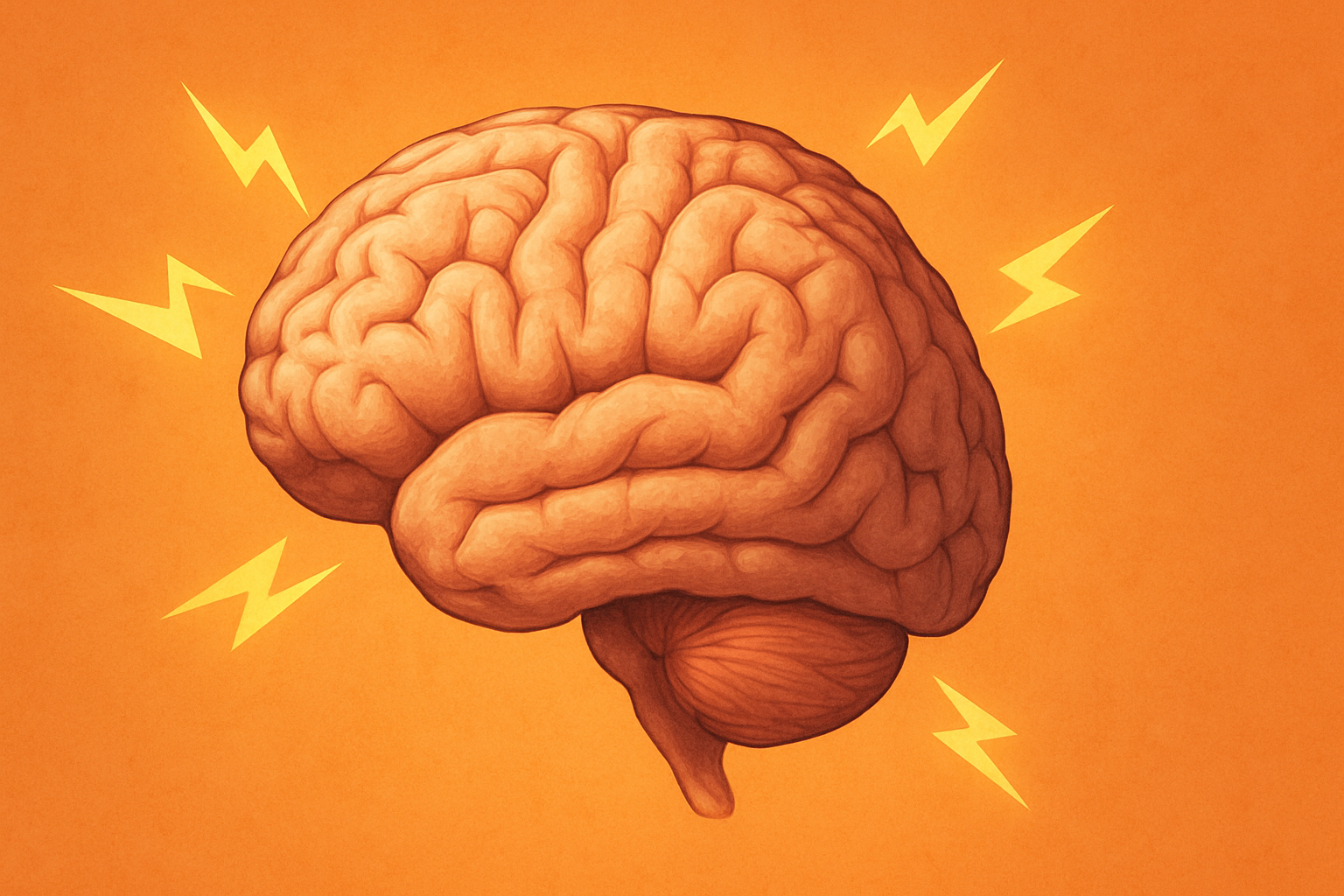
The phrase "limited-time offer" is more than a marketing gimmick: it's a neuroscientific lever. The scarcity effect, rooted in human evolutionary biology, activates our brain's urgency and fear-of-missing-out circuitry. When buyers perceive that a product, service, or opportunity is limited, their decision-making process shifts dramatically, and understanding why gives sales teams a principled advantage.
In this post, we'll break down the brain science behind scarcity, explore why it works so powerfully, and share practical, ethical ways to apply it to your sales and marketing strategy.
What Is the Scarcity Effect?
The scarcity effect is the cognitive bias that leads people to place a higher value on things that are perceived as rare or in limited supply. When something becomes less available, it becomes more desirable. Not because it changed. Our brain changed how it evaluates it.
This effect is hardwired into our evolutionary biology. Scarcity once signaled a survival threat. If food or shelter was limited, immediate action was necessary. That wiring hasn't gone away. In today's world, it influences how we book hotels, buy sneakers, or click "register now" on a webinar.
The Neuroscience of Urgency and Scarcity
Scarcity taps into several neural systems responsible for decision-making, emotional response, and attention. Each plays a distinct role in how buyers process and respond to limited availability.
1. Amygdala: The Threat Detector
The amygdala is responsible for our fight-or-flight response. Scarcity is perceived as a threat of loss, which the brain processes with urgency. The result: the buyer shifts from analytical thinking to instinctive action. When a prospect feels they might miss out, the deliberative prefrontal cortex takes a back seat and the amygdala drives faster, more emotionally-loaded decisions.
2. Insular Cortex: Discomfort with Uncertainty
The insula registers negative feelings like anxiety or unease. Scarcity introduces uncertainty: "Will this be gone tomorrow?" That discomfort drives quicker decisions to avoid the unpleasant emotion. It isn't rational calculation that moves the buyer; it's the anticipation of regret.
3. Dopaminergic System: The Anticipation of Reward
Scarce items often feel exclusive. That anticipation lights up the dopamine reward system, creating a sense of pleasure even before the item is acquired. We crave the win, not just the item itself. Exclusivity and scarcity are deeply linked in the reward circuitry, which is why "members only" language consistently outperforms generic availability messaging.
4. Anterior Cingulate Cortex: Conflict Monitoring
The anterior cingulate cortex (ACC) lights up when we face competing choices or potential regret. Scarcity intensifies this conflict, which increases the mental weight of inaction, pushing the buyer toward "yes." When a buyer perceives that doing nothing carries risk, the cost of delay becomes real, and that psychological pressure is what scarcity creates.
How Scarcity Changes Buyer Behavior
Buyers exposed to scarcity cues behave measurably differently across three dimensions.
They decide faster. Scarcity compresses the decision window. The fear of missing out leads to shorter evaluation cycles and quicker commitments. Deals that might have dragged through multiple approval cycles often accelerate when a legitimate capacity constraint is introduced.
They value the product more. Multiple studies show people are willing to pay more, or assign higher emotional value, to scarce goods. The same offering feels more premium when it carries a natural constraint. This is not irrational; it reflects the brain's accurate heuristic that things worth having are often hard to get.
They rationalize post-purchase. Because the decision feels urgent, buyers often rationalize the purchase afterward, reinforcing satisfaction and reducing remorse. The buyer's brain works to confirm the wisdom of their choice, which supports retention and reduces churn in longer relationships.
Types of Scarcity Cues
Not all scarcity signals are created equal. The right type depends on your offer, your sales cycle, and your buyer's trust level.
Time-based scarcity ("Offer expires Friday at midnight") works best in short sales cycles or limited-time campaigns. It creates a hard deadline the amygdala can anchor to.
Quantity-based scarcity ("Only 7 spots left") is effective in events, consulting programs, or high-ticket offers where capacity is genuinely limited. Buyers respond to social proof embedded in the constraint: if only 7 spots remain, others must have seen value in this.
Access-based scarcity ("Available only to subscribers/members") taps into the brain's reward circuitry through exclusivity and perceived insider status. The dopamine response here is particularly strong because belonging to a limited group carries its own reward.
Contextual scarcity ("We only work with 10 clients per quarter") signals high demand and creates trust through perceived selectiveness. For B2B firms, this framing is especially powerful because it positions you as sought-after rather than available.
How to Use Scarcity Ethically
The scarcity effect only works sustainably when it's authentic. False scarcity (claiming a deadline that will reset the following week, or citing capacity limits that don't exist) does immediate damage to trust. The amygdala responds even more negatively when people feel deceived. Here is how to apply scarcity in a way that holds up.
Be authentic. If your program genuinely has a capacity constraint, say so. If a pricing window closes at a specific date for a real reason, communicate it clearly. Real scarcity requires no embellishment. It carries its own weight.
Pair scarcity with value. The brain needs a reason to act beyond the deadline. Pair urgency with real, tangible value: a bonus, a pricing advantage, or an exclusive feature. Scarcity without clear value reads as pressure. Scarcity with clear value reads as an opportunity.
Reinforce with social proof. Testimonials or real-time indicators ("12 teams have enrolled this quarter") amplify urgency without manufactured pressure. Social proof tells the buyer's brain that peers have already validated the decision, reducing the risk signal from the insular cortex.
Provide clarity and control. Help the brain resolve uncertainty. Make deadlines, limits, and next steps crystal clear to lower cognitive load and increase confidence in action. Ambiguous scarcity creates anxiety without direction; clear scarcity creates motivated focus.
Scarcity in Action: Sales and Marketing Examples
| Use Case | Scarcity Trigger | Why It Works |
|---|---|---|
| Webinar Registration | "Only 100 seats available. Reserve yours now." | Triggers urgency and exclusivity, driving higher sign-up rates |
| Consulting Packages | "Spots are limited to 5 clients per quarter." | Builds perceived value and signals that working with you is a privilege |
| Ecommerce | "Only 2 left in stock." | Simple quantity signal triggers immediate action via amygdala response |
| Software Trials | "Get bonus features if you sign up before [date]." | Combines value and time pressure for higher conversion rates |
The Role of Scarcity in B2B Sales
While scarcity is often associated with consumer marketing, it is just as effective in B2B, and far more underutilized. Enterprise buyers face the same neural architecture as individual consumers. The amygdala doesn't distinguish between buying running shoes and evaluating a consulting engagement.
A limited pilot program creates urgency for enterprise buyers who might otherwise delay indefinitely. Capacity-based scarcity ("We're onboarding only three clients this quarter") builds perceived exclusivity and signals that your team's attention is genuinely finite. Early access or pre-launch incentives can guide hesitant buyers over the finish line by creating a natural, defensible deadline.
In high-consideration B2B environments, ethical and transparent scarcity also signals that your time and resources are valuable. That signal builds trust, not just urgency. When a buyer understands that you are selective about who you work with, their perception of the engagement elevates accordingly.
Tracking the Scarcity Effect
To see whether your scarcity tactics are working, monitor these metrics against your baseline:
| Metric | What It Reveals |
|---|---|
| Click-Through Rate (CTR) | Indicates whether scarcity copy is driving attention and initial interest |
| Conversion Rate | Reflects the effectiveness of urgency in moving buyers to action |
| Time-to-Decision | Shorter sales cycles suggest urgency signals are activating correctly |
| Abandonment Rate | High drop-off may signal that scarcity feels inauthentic or unclear |
A/B test your offers with and without scarcity language to refine your approach over time. The data will tell you which constraints your buyers find credible and which feel manufactured.
Scarcity works because our brains are wired to avoid loss, seek reward, and reduce uncertainty, all at speed. When applied authentically, the scarcity effect doesn't manipulate; it motivates. It helps buyers make faster, more confident decisions in a world of endless options and competing priorities.
If you want to increase urgency without sacrificing trust, blend scarcity with empathy and clarity. Make the offer real, the deadline firm, and the value clear. Your buyer's brain will do the rest.
Worth a conversation about how your team can apply the neuroscience of urgency to your pipeline? Start a conversation with Braintrust.
