

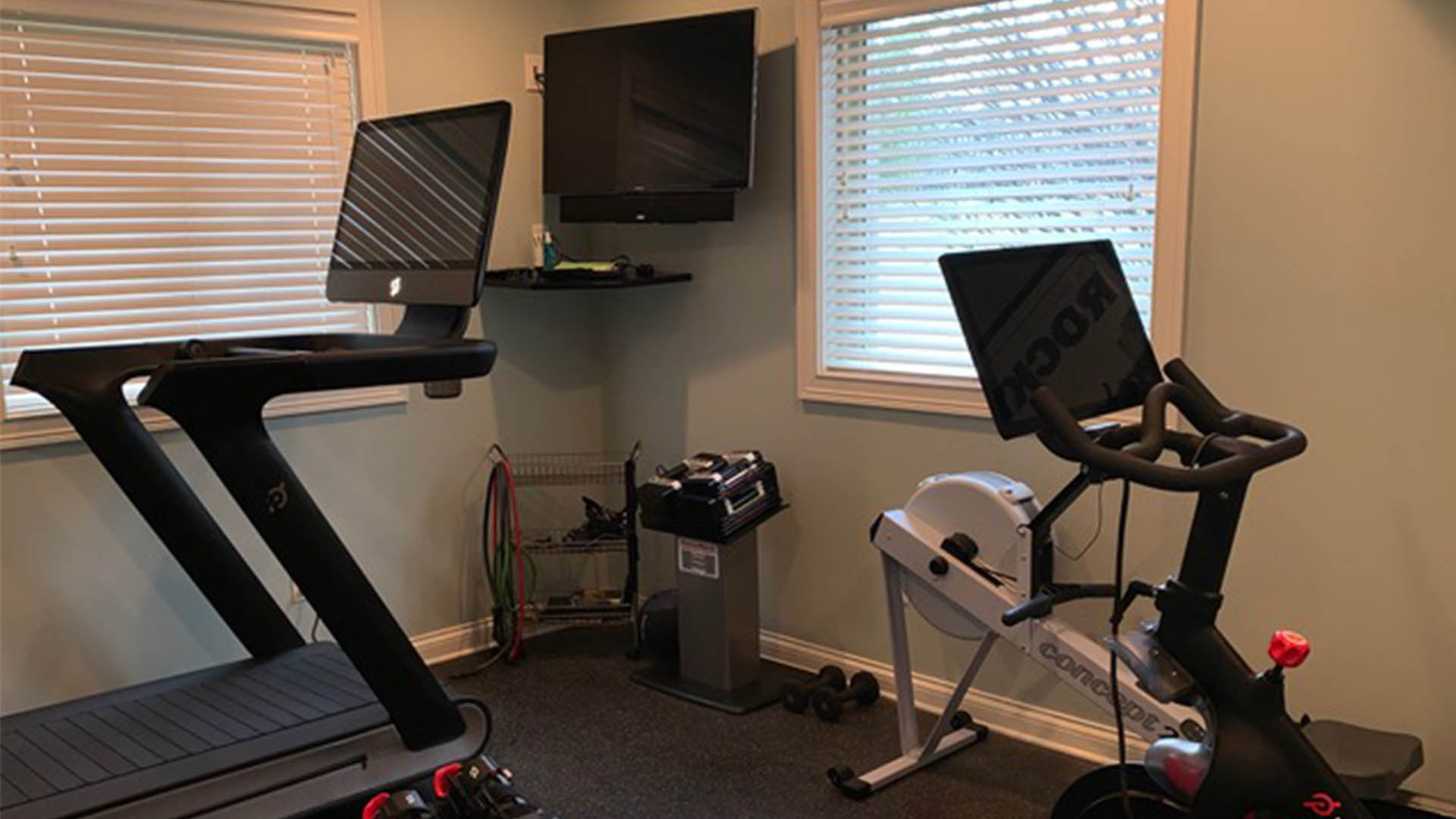
On January 8th, Apple sent me an email: "Keep Your New Year's Resolutions — you've got goals for 2020. We've got apps that can help you reach them." It was thoughtful timing. Not the first of the year, not the week before. January 8th. They knew something about human behavior that most goal-setters don't.
Why Apple Waited Until January 8th
Research cited in TIME magazine tells us that about 30% of resolution-makers quit before they even hit the two-week mark. By the second week of February, roughly 80% have abandoned their goals entirely. Apple timed that email to land right when most people start to slide. That's not accidental. That's a company that understands the gap between intention and follow-through.
The gap isn't about willpower. It isn't about motivation. It's about the difference between setting a goal and actually changing behavior. And as someone who has spent years studying the neuroscience of coaching, that distinction matters more than most people realize.
The Bike in the Basement
About 2.5 years ago, a friend showed me a Peloton bike at his house. I had no intention of buying one. Then I did. And for months it sat in my basement collecting dust, ridden occasionally but without any real commitment. The bike was excellent. The instructors were excellent. The technology was excellent. The problem wasn't the product. The problem was me.
I'm a runner. I've finished half marathons and full marathons. But I knew that cross-training would eventually become necessary if I wanted to keep performing at the level I'd set for myself. So heading into 2019, I made the resolution: use the bike more. Exercise more. Simple.
Nothing changed. The resolution existed. My behavior didn't follow.
The Insight That Shifted Everything
While working on my doctoral thesis on coaching, I came across a book called Helping People Change by Richard Boyatzis. It reframed something I thought I understood. Boyatzis argues that real, lasting behavior change doesn't start with a goal. It starts with a personal vision — a clear, emotionally resonant picture of the life you want — and works backward from there to what needs to change.
That's the piece that most New Year's resolutions skip entirely. We go straight to the action ("exercise more") without grounding it in the deeper reason why we'd actually want to. And without that grounding, the goal sits there like a bike in a basement: a good intention with no traction.
"Doing what you've always done in today's age will actually get you less than you're used to getting." — Tom Ziglar
Five Steps to Real Behavior Change
Using the Boyatzis framework, here is how I restructured my approach to the Peloton goal — and how I'd encourage anyone to approach any behavior change they actually want to stick.
- Reframe the goal. Move the behavioral goal from the top of your list to the bottom. The goal is a byproduct, not the starting point. More exercise is the output. Everything else has to come first.
- Reset the real purpose. Ask yourself why you want this in the first place. More energy? Less stress? Feeling strong in your body? The answer to that question is your anchor. When the alarm goes off at 5:30am, the goal won't get you out of bed. The purpose will.
- Build a learning agenda. Understand the methodology behind what you're trying to do. For me that meant learning the difference between HIIT, Heart Rate Zone training, Low Impact, and Tabata riding. The curiosity itself became motivating. When you're learning, you're not white-knuckling through discipline — you're pursuing something.
- Experiment and practice. Reduce the fear of trying something new by treating early attempts as experiments, not performances. New rides, new formats, new instructors. Experimentation takes the pressure off and builds the habit of showing up.
- Track progress with an accountability partner. Self-monitoring in small snapshots — daily, weekly, monthly — and sharing that progress with someone else changes the dynamic. You're no longer just accountable to yourself. You're in the journey with someone.
The Question Worth Asking in Q1
One of the most common professional goals for any new year is to increase income or hit a sales target. That's fine as far as goals go. But the harder question — the one most people avoid — is this: What specific skill improvement steps will you take in Q1 that will make you more effective in the customer conversations you'll have throughout the year?
Do you need to improve the way you connect with prospects? The quality of the questions you ask? Your ability to listen in a way that makes someone feel genuinely understood? What training, reading, or deliberate practice is on your agenda this quarter that will actually move those skills forward?
Without answers to those questions, the income goal is just a number on a whiteboard. The Peloton sits in the basement.
Coaches Corner: A Learning Plan for Every Employee
Peloton has great coaches. They inspire, challenge, and stay engaged with riders whether they're in the studio or streaming remotely. That's not so different from what the best leaders and managers do every day — coaching people they see in person, people they work with remotely, and everyone in between.
My challenge to coaches and leaders heading into any new year: don't let goals be enough. A goal without a learning plan is just a wish. Can you develop a specific learning agenda for each person on your team? Not a generic one for the group, but one that reflects where each individual is, what they want to develop, and what they need to perform at a higher level.
As you move through performance management conversations, invest the time to identify the learning path that puts each employee on their best trajectory. Capitalize on their strengths. Address the specific gaps that are holding them back. Don't leave one person behind.
That's not just good management. That's what coaching actually looks like in practice.
Changing the Narrative
All of us at Braintrust believe behavior change is possible — for individuals, for teams, for organizations. But it doesn't happen by setting a goal and hoping the environment cooperates. It happens when you start with vision, build a learning plan, experiment with curiosity, and engage someone in the journey alongside you.
Set your mind on what you want your professional life to look like at the end of the year. From there, identify what needs to be different, what barriers need to come down, and what new skills need to go in. Then build the plan that gets you there. The goal is the last thing on the list, not the first.
If that kind of thinking resonates — for yourself or for the team you lead — let's talk about what it looks like in practice.
