
When someone asks you about your personal strengths, do you list communication at the top? Most people don't. Yet Warren Buffett has called the ability to communicate the single best investment you can make in yourself, arguing that people who communicate well, both in writing and in speech, increase their professional value by 50 percent. If that number is accurate, why don't more people treat it like the asset it is?
I've been sitting with that question for a long time. And the honest answer I've arrived at is this: most people think they already communicate pretty well. They know their subject. They can explain what they do. They feel credible in their field. What they miss is the layer underneath all of that, the layer that turns credibility from a professional credential into something that actually moves people. I call it purpose-filled credibility.
What Purpose-Filled Credibility Actually Means
Purpose-filled credibility is not about knowing more than the person you're talking to. It is not about having the right title, the right resume, or the right number of years in a field. It is the idea of linking your knowledge, your skills, your capabilities, and your insights back to a purpose that genuinely serves the person in front of you, so they can solve the problems that matter most to them.
That distinction sounds subtle. It isn't. The difference between someone who communicates from knowledge and someone who communicates from purpose is immediately felt by the listener. One sounds like a presentation. The other sounds like someone who is genuinely on your side.
Purpose-filled credibility is what happens when you stop thinking about what you know and start thinking about what they need. It is the shift from self-serving to other-serving, and it changes everything about the way your words land.
Credibility Without Purpose: The Early Years
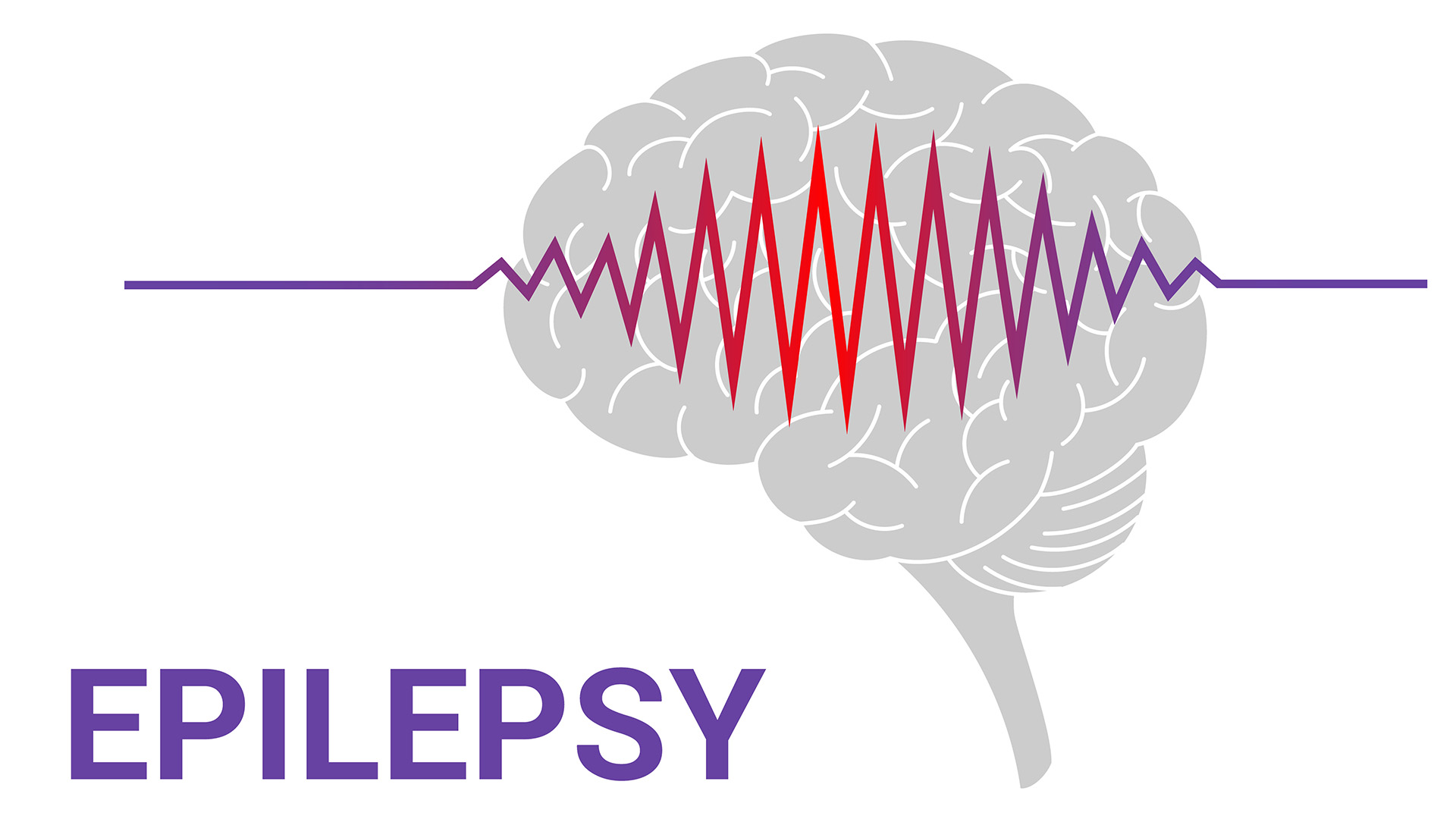
I spent part of my career as a manager at Parke-Davis in our CNS division. Parke-Davis was a leader in developing and manufacturing pharmaceuticals to treat epilepsy, and I was working across the Midwest with neurologists who were among the best in their field. I knew the territory. I knew the science. I understood the different seizure types, the treatment landscape, the clinical literature. By most measures, I was credible.
And I wore that credibility like a badge. Being seen as knowledgeable, being respected by the top epileptologists in the region, that was the goal. It opened doors. It justified my seat at the table. It helped the business.
That credibility eventually led me to the board of the Epilepsy Foundation in Cincinnati, where several of the city's leading epileptologists were also serving. I won't pretend my initial motivation was purely altruistic. Being on the same board as the physicians I called on meant they would see me as a peer, not just a rep. That visibility would help our relationships, which would help our numbers. It was calculated, and I knew it.
The Moment Everything Changed
Then I got a phone call from the director of the Epilepsy Foundation, inviting me to tour one of the epilepsy group homes the organization supported.
I went. And what I saw that afternoon shifted something in me that has never shifted back.
I walked through that home and met children who wore helmets because a fall without one could be catastrophic. I watched kids work through tasks that most of us do without thinking, getting dressed, preparing a snack, navigating a room, and doing it with a focus and determination that was remarkable. And I thought about what it would mean for any one of them to have a day without the fear of a seizure. A single day when that threat was gone.
I left that home a different person than I arrived. Not because the science had changed or because my product knowledge had improved. My purpose had changed. The children I had just met were now the reason I did what I did. Every physician conversation, every board meeting, every detail I shared about our treatments was now in service of getting better care to kids like them. My credibility was no longer a professional tool. It had become a vehicle for something that genuinely mattered.
How Purpose Transforms the Way You Communicate
After that visit, something observable happened in the way I communicated. Not just in what I said, but in how I showed up. Physicians picked up on it. Conversations that had felt transactional started feeling collaborative. The questions I asked shifted from "what do you need from me?" to "what are your patients not getting that they should be?" My intent had changed, and people could feel it.
This is what the neuroscience of trust actually tells us. The brain's limbic system, the part responsible for emotion and decision-making, is constantly scanning for authenticity. It does not respond to credentials. It responds to intent. When a person senses that you are genuinely trying to help them, the defenses come down. The conversation opens up. That is not a technique; it is biology.
Purpose-filled credibility works because it aligns what you know with why you know it in a way that is visible to the people you're trying to serve. It eliminates the gap between expertise and trust. And in that gap, most communication fails.
Serving Rather Than Selling: The Mindset Shift
There is a version of credibility that is fundamentally about you: your knowledge, your track record, your ability to demonstrate competence. That version of credibility can open doors, but it rarely opens people. It creates respect without connection, and respect without connection rarely drives the outcomes that matter most, whether that is a sale, a hire, a changed behavior, or a team that actually follows you.
The shift to purpose-filled credibility is a shift from a mindset of demonstrating to a mindset of serving. It means walking into every conversation with the question: how does what I know help this person accomplish what they're trying to accomplish, or resolve what they're struggling with?
That question is deceptively simple. Most people cannot answer it without stopping to think carefully about the person they're about to talk to. And that moment of thinking carefully, that deliberate orientation toward the other person's reality, is exactly what purpose-filled credibility requires.
When I finally understood this and applied it, our team's performance reflected it. It became our mission to help our customers get the right treatments to the right patients at the right time. That mission gave our credibility a direction. And a directed credibility is a far more powerful thing than an undirected one.
Six Steps to More Purpose-Filled Credibility
Purpose-filled credibility is not a personality trait. It is a practice. Here are six ways to build it deliberately:
- Create a list of your customers' objectives and challenges. Write them down. Not a general list, but specific, concrete problems the people you serve are wrestling with every day.
- Review that list before every significant conversation. Let it orient you before you walk into the room. Who is this person, and what are they carrying?
- Shadow a customer if you can. Spend a day inside their world. The validity of your assumptions about their challenges will be tested quickly, and often usefully.
- Interview customers if you can't shadow them. Ask them to walk you through a day in their role. Ask what is harder than it should be. Listen without an agenda.
- Filter your expertise through their reality. Before you share any information, ask yourself: how does this help them accomplish an objective or resolve a challenge? If you cannot answer that, hold the information back and find a better entry point.
- Adopt a mindset of serving rather than selling. This applies whether you are in a sales conversation, a leadership conversation, or a coaching conversation. The moment you are oriented toward what you can give rather than what you can get, the entire dynamic of the interaction shifts.
The Mission Underneath the Metric
As I write this, I am heading from Cleveland to Detroit, carrying with me the purpose that has shaped my work for years: to help leaders and the people they serve communicate with more purpose, power, and impact. That purpose did not emerge from a strategy session. It emerged from a walk through a group home, from the faces of children who needed people in the field to do their jobs with more than competence.
Your purpose may look nothing like mine. But you have one. The work is finding it, and then letting it inform every conversation you have, every interaction you lead, every moment where your credibility could be more than a credential.
When you find the purpose underneath your expertise, your communication takes on a different mission. Warren Buffett is right that the ability to communicate is worth investing in. But the return is highest when the communication is rooted in something that genuinely matters to the person you're serving.
Invest in yourself. Never stop working on how you communicate. And when you do, ask not just what you know, but what it is in service of.
Worth a conversation? Reach out to the Braintrust team and let's talk about what purpose-filled communication looks like inside your organization.
