
Build Trust on Purpose, the Way the Brain Actually Works
Braintrust enterprise coach Matt Dentino breaks down how trust forms in the brain, why it is fragile, and the science-backed moves that build trust that lasts with the people you sell to.
Trust Is a Hardwired Response, Not a Soft Skill
Your buyer's brain judges warmth before competence and forms a trust impression in under a tenth of a second, so you build trust by connecting personally and authentically before you ever try to prove value or make the pitch.
The research points to two distinct types of trust. Personal trust asks do you care about me, and professional trust asks can you deliver. Harvard research led by Amy Cuddy, and a Stanford fMRI follow-up, found the brain evaluates warmth, the personal side, before it ever weighs competence, and it does so through the medial prefrontal cortex. A Princeton study clocked that first judgment of trustworthiness at under a tenth of a second, and later work confirmed it is not only fast but sticky. It is the neuroscience behind the old line, often traced to Theodore Roosevelt and sharpened by Zig Ziglar, that people don't care what you know until they know that you care about them.
What tips the brain toward trust is authenticity. Paul Zak's oxytocin research shows that authenticity drives empathy, and empathy is the bedrock of real trust, so the practical work is to connect before you transact. Manage the first impression with tone, eye contact, open posture, and a genuine Duchenne smile that reaches the eyes. Share who you really are rather than a polished version, listen deeply enough to reflect back what you heard, keep your words aligned with your actions, and make and keep small promises. Each kept promise delivers a small dopamine reward, and because the brain is predictive, that pattern trains it to expect reliability from you.
How the Brain Actually Builds Trust
Four models from the session that explain how trust forms, why it breaks, and how to build it on purpose.
The Two Types of Trust
Harvard research from Amy Cuddy shows trust splits into two parts: personal warmth, or do you care about me, and professional competence, or can you deliver. The brain always evaluates warmth first, which is why connecting personally has to come before proving your value.
The Dual Brain Network
Dr. Anthony Jack's model describes two networks that cannot run at the same time. The analytical network handles logic and judgment, while the emotional empathic network holds feeling, memory, and openness to new ideas. Trust originates in the emotional empathic network, so leading with logic too early suppresses the very system that builds it.
The Care Cycle and the Stress Cycle
Warmth and compassion trigger the parasympathetic care cycle, releasing oxytocin and dopamine so the brain mirrors and empathizes instead of judging. Anger or threat triggers the sympathetic stress cycle, flooding the body with cortisol and adrenaline and switching empathy off. Every interaction nudges the other person toward one cycle or the other.
The Duchenne Smile
A genuine smile, named for the researcher Duchenne, engages the eyes so the corners crinkle, unlike the flat smile for the camera look that shows nothing in the eyes. Because the brain reads nonverbal warmth first, an authentic smile is one of the fastest signals of safety and trustworthiness you can send.
What Sales Leaders Ask About Trust
What does warmth before competence mean in a sales conversation?
How quickly do people decide whether they trust you?
Why does authenticity build trust?
What is the 7-38-55 rule?
What is the simplest habit for building trust over time?
What should you do when you get a bad gut feeling about someone you just met?
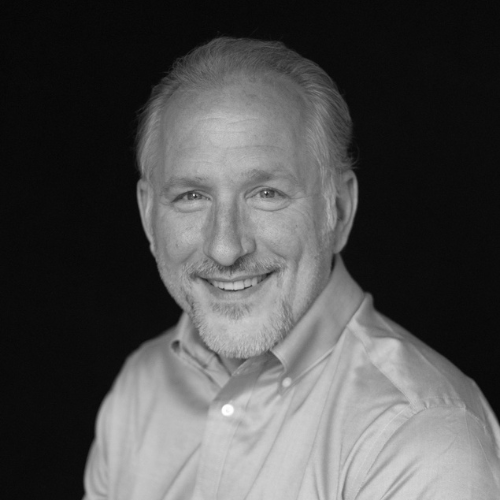
People don't connect to perfection. They connect to authenticity.
Bring the Neuroscience of Trust to Your Sales Team
Braintrust's NeuroSelling® program helps sales teams turn trust from a soft skill into a repeatable, science-backed advantage. Let's talk about what that looks like for your team.
