

Emotions are contagious. Not in a metaphorical sense — in a measurable, neurological sense. The feelings you carry into a room spread to the people in it, shaping their behavior before a single word is spoken. In a season where emotionally charged messages have dominated every channel of our lives, that fact deserves a closer look.
Two Powerful Words
Have you ever considered the complexity and depth created by just two words: "emotion" and "contagion?" Look carefully at their definitions.
Contagion is the communication of disease from one person to another by close contact.
Emotion is a conscious mental reaction, such as anger or fear, subjectively experienced as a strong feeling usually directed toward a specific object and typically accompanied by physiological and behavioral changes in the body (Merriam-Webster Dictionary, 2020).
Now put them together. Emotional contagion is the phenomenon of having one person's emotions and related behaviors directly trigger similar emotions and behaviors in other people (Hatfield, Cacioppo, & Rapson, 1993).
Emotions trigger behaviors. And then those behaviors spread.
What We Have Lived Through
Over recent months, all of us have been impacted by emotionally charged messages. From the words and warnings of leaders forcing us into isolation, to the stories of resolve and bravery from first responders, the emotional environment has been relentless.
News stories have demonstrated, powerfully, how emotionally charged messages can bring people out of isolation and into the streets. Some of those messages have carried positivity and a call for needed change. Others have been swamped by negatively charged energy. What both cases illustrate is the speed of emotional contagion — and the fact that it makes no distinction between positive and negative. It spreads either way.
The Two Sides of Emotional Contagion
You know what it feels like to be around someone whose positive emotions are contagious. Their energy transfers to you. You feel more optimistic, more motivated, more capable of something meaningful. That is not a perception — it is a neurological event.
The flip side is equally real. Being around someone with persistently negative emotions is draining in a way that is hard to explain but impossible to miss. Their fear, frustration, or cynicism attaches itself to your own emotional state and begins pulling it in the same direction.
Neither type of carrier is trying to infect the people around them. That is what makes emotional contagion so important to understand — it operates largely outside conscious awareness. Your emotional state is broadcasting, whether you intend it to or not.
Michael Jr. and the Power of Why
A few weeks ago, we launched a new episode of the Driving Change Podcast featuring comedian and motivational speaker Michael Jr. He speaks with Jeff about how he has spent his career making laughter common in uncommon places: homeless shelters, prisons, churches, and arenas. Michael Jr. has dedicated his life to inspiring audiences through sketches, stand-up, short films, and feature film appearances.
One clip from that conversation demonstrates the power of emotional contagion better than any academic definition could. In it, Michael Jr. asks Daryl, a music director, to sing a gospel standard the way he normally would. Then he pauses and asks Daryl something different: "Who do you know that needs this right now?" What happened next changed the way Daryl sang — and changed the people in the room who were listening.
You can watch the clip here. What struck me most was not only what happened to Daryl — it was what happened to the audience around him as he sang. They powerfully felt his emotions. The impact was immediate. That clip might be exactly what you need today.
What Type of Carrier Are You?
In tough times, we need to be reminded of the impact emotions carry. Emotions can bring out the joy in others — and they can also feed fear and anger. The real question is: what type of emotional carrier are you?
This is not a passive question. Your emotional state has consequences for the people you lead, the teams you work alongside, and the relationships that matter most to you. Goleman, Boyatzis, and McKee documented in Primal Leadership that a leader's mood is the single most important variable affecting group emotional tone — and that group emotional tone is a primary driver of performance.
The choice of what you carry is not always easy. But it is always a choice.
Building Your Emotional Capabilities
In future posts, we will write more about emotional capabilities and the impact they have on relationships and results. If you want to go deeper now, start with Primal Leadership (Goleman, Boyatzis, & McKee, 2013). It defines the four core emotional capabilities:
- Self-awareness — knowing what you are feeling and why
- Self-management — regulating your emotional state before it spreads
- Social awareness — reading the emotional state of the people around you
- Relationship management — influencing others toward constructive emotional states
These are not soft skills. They are the architecture of high-performing teams and effective leadership. Mastering them is not a destination — it is a daily practice.
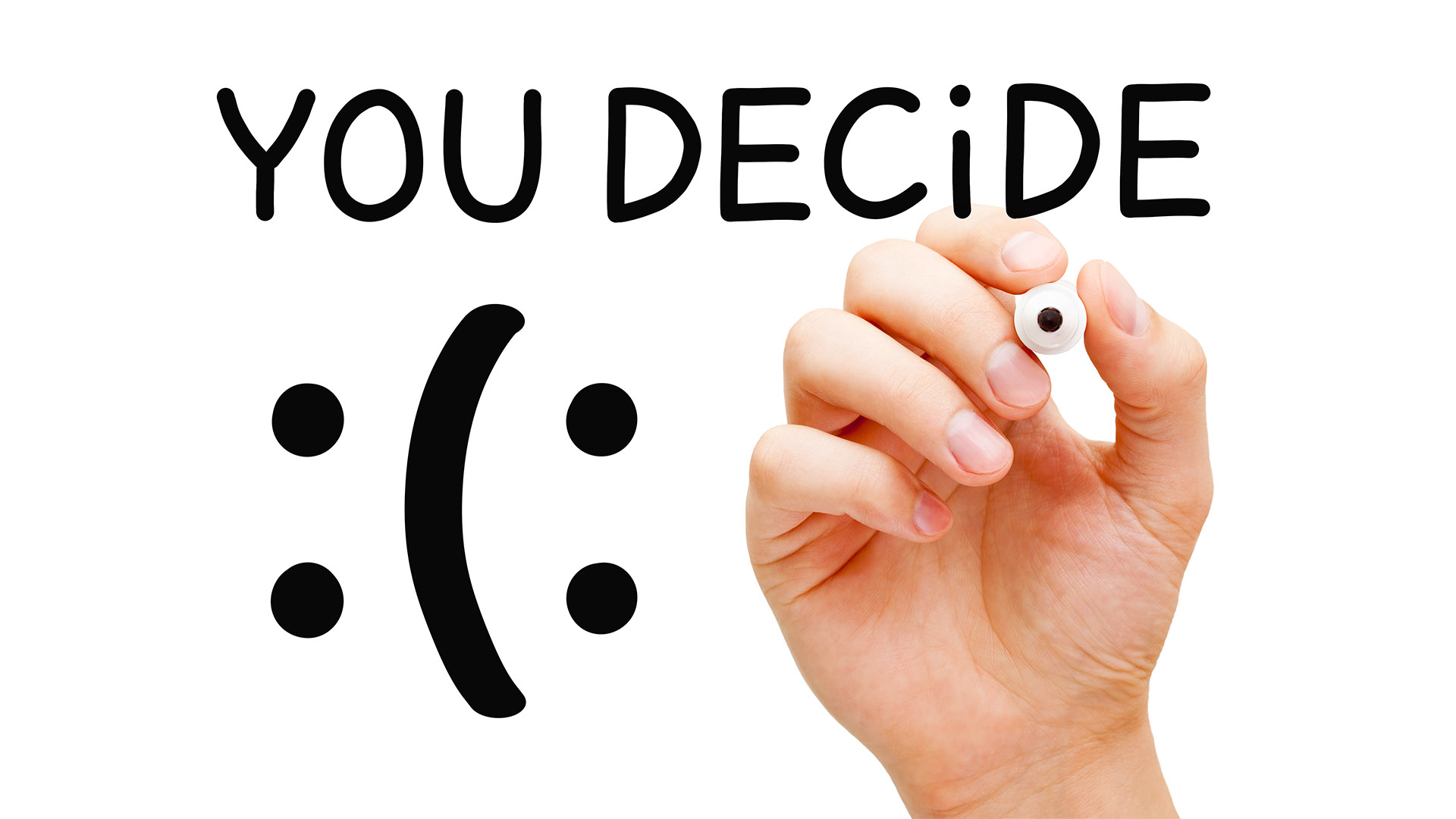
The ultimate message here is straightforward: do your best to be a positive carrier. Take the time to observe the impact it has on those around you. Positive emotions can change the world. So can negative ones. Which you choose to carry and spread is up to you. Choose carefully.
References
Goleman, D., Boyatzis, R. E., & McKee, A. (2013). Primal leadership: Unleashing the power of emotional intelligence. Harvard Business School Press.
Hatfield, E., Cacioppo, J. T., & Rapson, R. L. (1993). Emotional contagion. Current directions in psychological science, 2(3), 96–100.
Merriam-Webster Dictionary. (2020). Retrieved from merriam-webster.com
