

Jared sat across from me, arms crossed, lips pressed into a thin line. The numbers didn't lie: his performance was lagging. But he was quick to explain why. The market was slow, his team was green, and corporate wasn't providing enough support. Classic fixed mindset language. Smart guy, high potential, but stuck and needing breakthroughs.
As his coach, I knew that no strategy session, no list of goals, no tactical fix would make a dent unless we shifted something deeper. I wasn't coaching a performance problem. I was coaching a belief system. And that's where the neuroscience of growth mindset became the turning point.
Growth Mindset Is Not a Buzzword — It's a Brain State
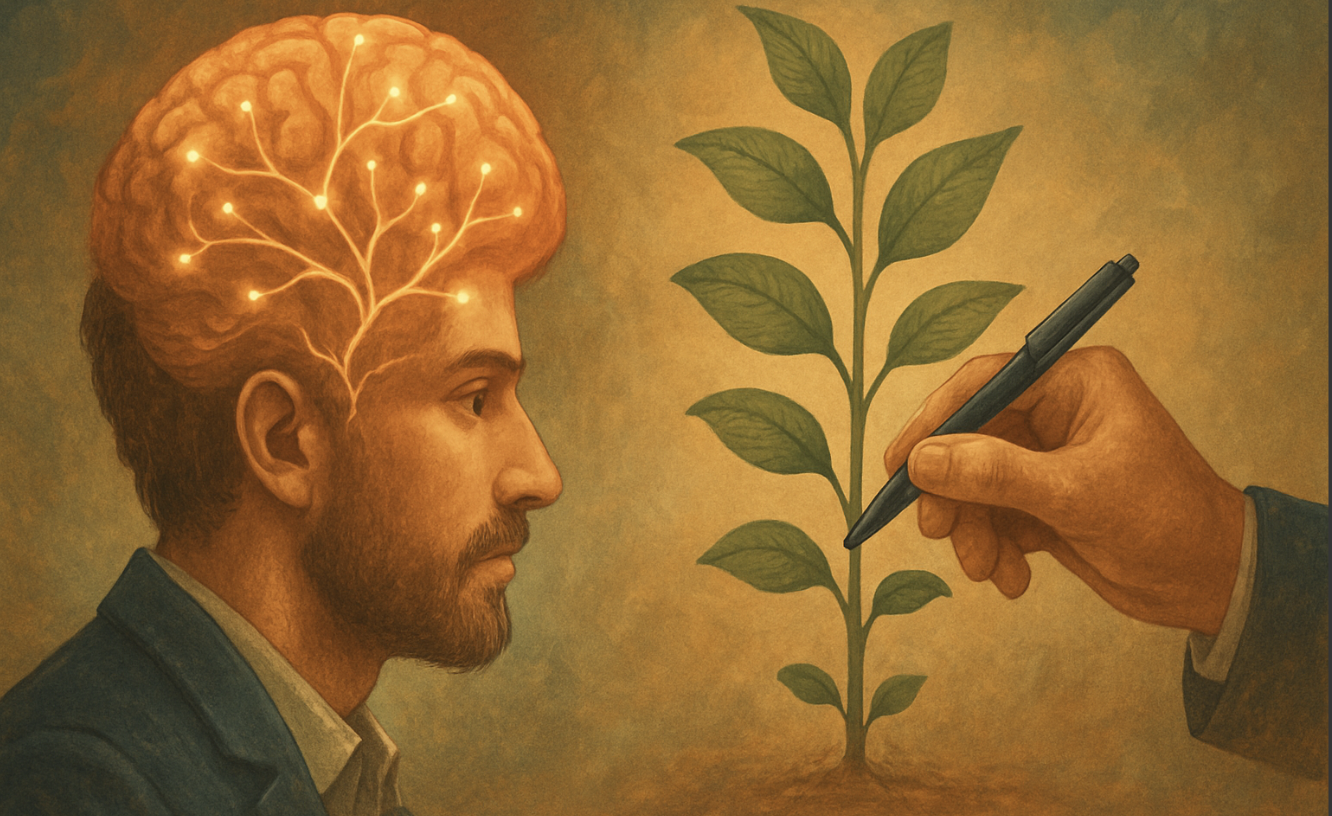
Coined by psychologist Carol Dweck, a growth mindset is the belief that abilities and intelligence can be developed through effort, feedback, and learning. But this isn't just a motivational slogan; it's a rewiring opportunity.
Neuroscience has shown that when individuals adopt a growth mindset, the brain physically changes. Neural pathways strengthen through repetition and challenge, and over time, new behaviors become not just easier, but automatic.
But here's the catch: for many people, especially those under pressure or stuck in performance slumps, the brain resists growth. It defaults to protection. To ego. To excuses. That's where coaching comes in, not just to advise, but to activate.
Coaching the Brain, Not Just the Behavior
Back to Jared. Instead of pushing him on his numbers, I asked a different kind of question:
"What would you try if you knew failure wasn't a threat, but part of the path?"
He blinked. The arms uncrossed. He leaned forward, just slightly. That one question began to quiet the amygdala, the part of the brain that scans for threat and keeps us locked in defensive, risk-averse patterns. And it opened space for a different part of his brain to step up: the prefrontal cortex, home of executive function, creativity, and self-reflection.
In that space, coaching shifts from performance pressure to possibility.
Normalize Struggle to Rewire the Fear Response
The brain interprets challenge as threat, or as opportunity, based on framing. When leaders and coaches treat failure as feedback, it reduces amygdala activation and increases tolerance for discomfort.
What to say:
"This setback isn't a signal to stop; it's a signal your brain is learning something new."
Neural impact: Reframes stress as growth, lowering cortisol and increasing cognitive flexibility. The brain begins to associate challenge with forward movement rather than danger.
Use Mental Time Travel to Activate Hope
The default mode network helps us imagine possible futures. When you invite someone to envision who they could become, their brain begins creating pathways toward that version of themselves.
What to ask:
"What does your best self look like a year from now? What are they doing differently?"
Neural impact: Activates the hippocampus and prefrontal cortex to simulate future states, driving motivation and planning. The brain doesn't fully distinguish between a vivid imagined future and a real one; it begins building toward both.
Celebrate Process, Not Just Outcome
Dopamine, the brain's reward chemical, isn't just released when goals are hit. It also spikes when progress is recognized. By coaching someone to reflect on effort and learning, not just results, you reinforce the neural habit of persistence.
What to reinforce:
"You leaned into a tough conversation this week. That's a win, even if the outcome isn't perfect yet."
Neural impact: Strengthens positive association with effort, increasing resilience and self-efficacy. Over time, the brain stops avoiding challenge and starts pursuing it.
From Shift to Breakthrough
Over the next few sessions, Jared's language changed. The excuses faded. He started asking for feedback before it was offered. He took ownership of his team's development and reframed slow sales as a chance to get sharper on fundamentals.
By the end of the quarter, his region had turned a corner, not because the market changed, but because he did. His brain stopped fighting the pressure and started adapting to it. That's what a growth mindset looks like: not motivational posters, but neural transformation.
Mindset Is the Soil, Not the Fruit
We often coach for outcomes: better performance, higher engagement, faster growth. But those are the fruits. The soil? That's mindset. And mindset, we now know, is biological. It's rewritable. It's coachable.
If you want real breakthroughs in your coaching conversations, don't just coach the goals. Coach the brain. Because once someone believes they can grow, the breakthroughs become possible.
If this connects with how you think about developing your leaders, let's talk about what NeuroCoaching looks like for your team.
